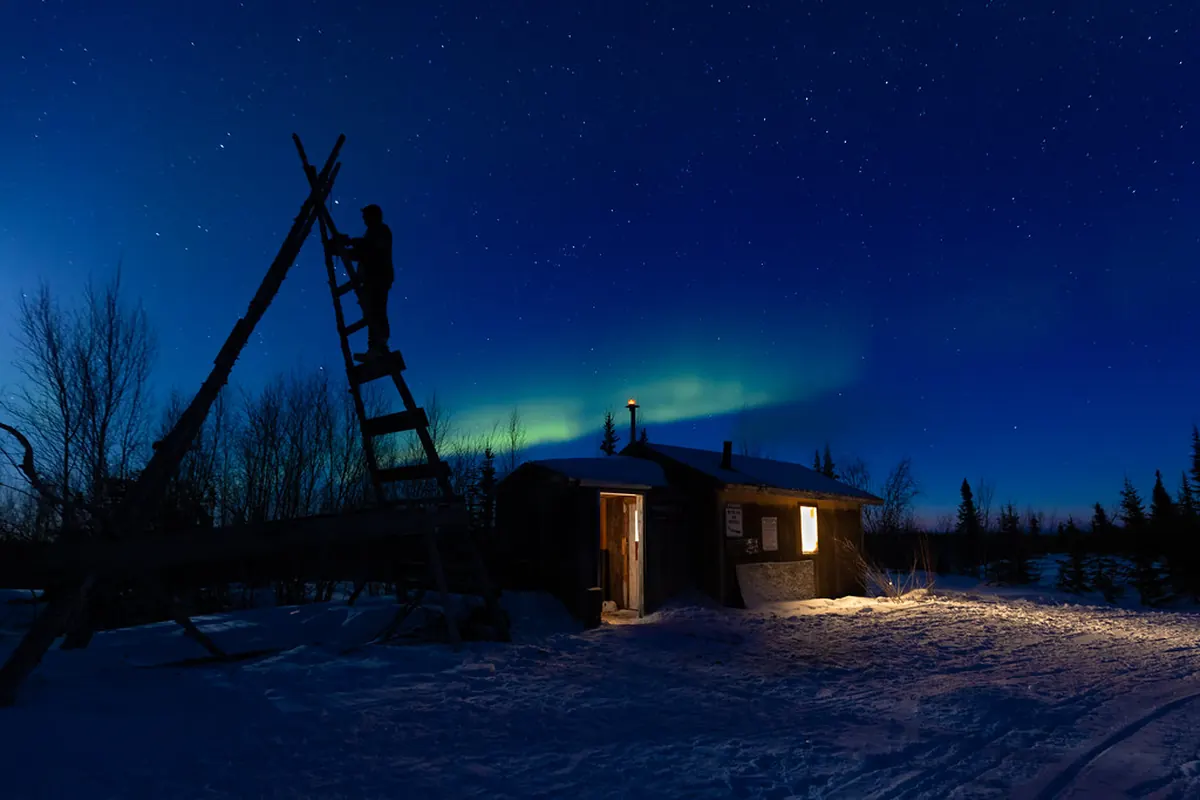
Why remote repairs cost more
Standard estimating databases price materials and labor for a city. In much of Alaska, those prices are only the start. Materials may need to travel by barge on a summer schedule, by air freight at a premium, or over a winter ice road. Crews need airfare, lodging and per diem. Equipment may need to be shipped in and out. And the building season can be just a few months long.
Costs that are often missing
- Freight from Anchorage, Fairbanks or Seattle to the site, including handling
- Barge minimums and storage until the next sailing
- Crew travel, lodging and per diem
- Mobilization and demobilization of equipment
- Waste removal or backhaul of debris
- Temporary protection when repairs must wait for the season
Communities and properties we see
Western Alaska and Yukon-Kuskokwim Delta villages, Southeast island communities, Kodiak and Aleutian properties, and remote cabins and lodges throughout the state. Storms like the remnants of Typhoon Merbok in 2022 and Typhoon Halong in 2025 showed how hard it can be to repair coastal homes in western Alaska.
How we price remote work
We build the base estimate and then add documented freight, travel and access costs, using quotes from carriers and contractors who actually work in the area where possible. That makes the remote-site premium visible and supportable, rather than a single unexplained markup.
Frequently asked questions
Will the insurer pay for freight and travel?
Reasonable costs to repair the covered damage generally include getting materials and labor to the site. The amount is often disputed, which is why documentation matters.
Can you inspect a fly-in property?
Yes. Travel is planned around weather and access, and costs are agreed in advance. Owner photos and video can help in the meantime.
What if repairs cannot start until next summer?
Temporary protection to prevent further damage is usually expected. Keep receipts and photos of what you do.